Source Luxury Handmade Watch Case for Jewelry, Cosmetics, and Electronics
Explore 30 options for a luxury handmade watch case designed for jewelry, cosmetics, and electronics storage. Compare PU, leather, and wooden materials with varying slot counts and customization features to find the ideal packaging solution for your business needs; compare the available evidence and request quotations based on your requirements.
Key considerations
Products List






Comprehensive Sourcing Guide
Luxury Handmade Watch Case Sourcing Guide
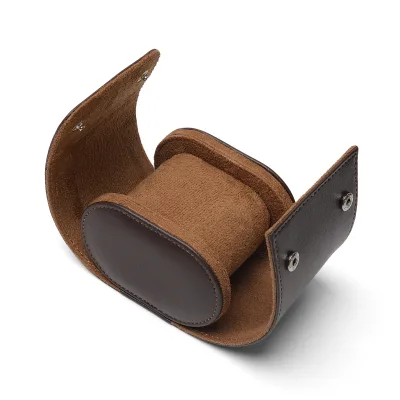
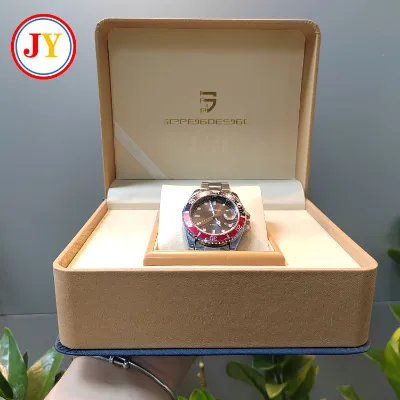
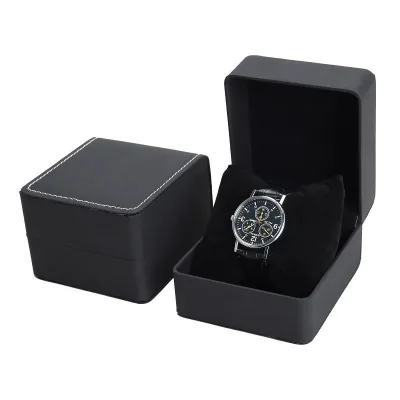
Procuring luxury handmade watch cases requires distinguishing between mass-produced storage solutions and artisanal pieces that offer genuine craftsmanship. The market presents a mix of PU leather and solid wooden options, where the latter often commands a premium for its natural grain and durability. Buyers must carefully evaluate the distinction between simple rectangular boxes and specialized round rolls, as the shape dictates the internal organization and the specific types of timepieces the case can securely hold.
The sourcing strategy should prioritize suppliers who explicitly offer customization options for dimensions and internal layouts. While some listings indicate standard export cartons, high-end buyers often require individual bubble bagging or custom packaging to protect delicate finishes during transit. Understanding the specific material composition, such as flannelette linings versus nylon interiors, is essential for ensuring the final product meets the protection standards required for valuable jewelry and electronics alongside the watches themselves.
Product Scope and Observed Listing Signals
The observed product range spans from compact, soft PU boxes designed for single items to larger, medium-soft leather rolls capable of holding multiple timepieces. Listings frequently highlight features like waterproof capabilities and matte transparent coatings, which serve as visual indicators of surface treatment quality. However, buyers should note that some products are described with generic terms like "Natural" color, while others explicitly offer customized color options, requiring clear communication to avoid receiving unintended finishes.
Signal analysis reveals a significant variation in gross weight, ranging from under 0.5 kg for smaller units to 1.5 kg for heavier wooden or leather constructions. This weight differential often correlates with the density of the materials used and the complexity of the internal storage slots. A critical observation is the presence of products with fewer than six slots, which suggests a focus on premium, single-item presentation rather than bulk storage, aligning with the luxury segment's emphasis on exclusivity and individual care.
Technical Specifications to Verify
Verification of physical dimensions is paramount, as standard sizes like 17x8x4.7 cm or 26x18x6.5 cm may not accommodate all watch styles. Buyers must confirm whether the supplier offers fully customizable standard dimensions or if they are limited to fixed sizes such as 20x10x7 cm. The internal structure, specifically the number of slots and the type of lining material, must be validated against the intended inventory, ensuring that flannelette or nylon linings provide adequate cushioning for the specific hardness and shape of the watches being stored.
Surface handling and finishing techniques also require rigorous inspection to ensure long-term aesthetic appeal. Processes like varnishing, debossing, embossing, and gold stamping are common, but the durability of these finishes under daily handling varies. It is crucial to verify the specific finishing type, such as a matte transparent coat, and confirm that the logo technology aligns with the brand's visual identity without compromising the structural integrity of the leather or wood surface.
Compliance and Safety Documentation
While specific certification documents are not universally listed in the provided data, buyers must request proof of material safety for all components, especially those intended for direct contact with skin or valuable items. The use of PU leather and wooden materials necessitates verification that no harmful chemicals or volatile organic compounds are present in the adhesives or coatings used during the varnishing and finishing processes. This is particularly important for products marketed for cosmetics or food-related storage, where material purity is a regulatory requirement.
Documentation regarding the origin of materials is equally critical for establishing the provenance of the luxury goods. Since products originate from regions like Fujian and Guangdong in China, buyers should ensure that the supplier can provide traceability for the wood and leather sources. This documentation helps mitigate risks associated with illegal logging or unethical sourcing practices, ensuring that the final product meets international ethical standards and does not carry reputational risks for the importing brand.
Cost Drivers and Commercial Terms
The cost of these luxury cases is heavily influenced by the material grade and the complexity of the customization options selected. High-grade materials like genuine leather or solid wood, combined with intricate surface handling like silk screen printing or gold stamping, significantly increase the unit price compared to standard PU or basic wooden boxes. Buyers should anticipate that the price range, which can vary from 0.31 to 180 USD, reflects these material and process differences, with higher costs associated with bespoke dimensions and premium finishes.
Commercial terms often include specific payment structures such as T/T in advance or Western Union, which are standard for international trade in this sector. The minimum order quantity (MOQ) can range from a single unit to 1000 pieces, allowing flexibility for both sample testing and bulk procurement. However, buyers must account for the sample lead time, which is typically around seven days, and factor this into their overall production schedule to avoid delays in launching new product lines or restocking inventory.
Supplier Qualification and Quality Control
Supplier qualification should focus on their ability to deliver consistent quality across different material types, from soft PU to medium-soft leather. Buyers must assess the supplier's track record in handling complex orders that involve multiple finishing techniques and custom branding elements. The presence of OEM and ODM acceptance indicates a capacity for customization, but the supplier's internal quality control processes must be verified to ensure that every unit meets the specified hardness, shape, and storage requirements without defects.
Quality control checks should extend to the packaging and shipping preparation, as the final presentation is a key component of the luxury value proposition. Products are often packed in individual bubble bags before being bulk-packed into standard export cartons, but buyers should verify that this process prevents damage during transit. Inspecting the gross weight and structural integrity of the packed units ensures that the supplier adheres to the specified standards and that the product arrives in pristine condition, ready for immediate retail display.
Long-Term Procurement Checks
Establishing a long-term partnership requires regular audits of the supplier's ability to maintain consistent material quality and finish durability over time. Buyers should implement a schedule for periodic sample testing to verify that the hardness, waterproofing, and surface coatings remain consistent with the initial order specifications. This proactive approach helps identify any drift in manufacturing quality before it impacts the broader inventory, ensuring that the brand's reputation for luxury and reliability is preserved.
Strategic planning for future orders should also consider the scalability of the supplier's production capabilities and their responsiveness to design changes. As market trends shift, the ability to quickly adapt to new styles, such as moving from simple rectangular boxes to more complex round rolls, is essential. Maintaining open communication channels regarding lead times and production capacity ensures that the supply chain remains resilient, allowing the buyer to meet fluctuating demand without compromising on the quality of the luxury handmade watch cases.
FAQs
What materials are used for luxury handmade watch cases?
Luxury handmade watch cases are typically crafted from high-grade PU leather or genuine leather. Some models feature a soft flannelette inside for protection, while others use nylon or wooden structures. These materials ensure durability and a premium feel, suitable for storing and displaying valuable timepieces securely.
Can I customize the logo on a handmade watch box?
Yes, customization is available for most luxury handmade watch boxes. Suppliers offer various logo technologies including debossed, embossed, silk screen, gold stamp, and silver stamp options. You can choose to have your brand printed or opt for a clean design without logo printing, depending on your preference.
What are the standard dimensions for these watch storage boxes?
Standard dimensions vary by model, such as 17x8x4.7cm for two slots or 26x18x6.5cm for larger rolls. Some rectangular boxes measure 20x10x7cm. Custom sizes are also accepted to fit specific watch collections, ensuring a snug and secure fit for each timepiece while maintaining an elegant aesthetic.
How long does it take to produce a sample?
Sample production typically takes around seven days. This timeframe allows for quality checks and customization adjustments. Once approved, bulk orders follow standard lead times. Buyers should confirm specific timelines with suppliers, as production schedules may vary based on order volume and the complexity of the requested design features.
Are these watch cases waterproof and durable?
Many luxury handmade watch cases are designed to be waterproof, protecting contents from moisture. They often feature a matt transparent coating or varnishing for added durability. The soft or medium-soft hardness ensures gentle handling of watches, while sturdy construction prevents damage during transport and daily storage use.
What payment terms are accepted for bulk orders?
Common payment terms include T/T in advance or Western Union. These methods ensure secure transactions for bulk manufacturing. Buyers should verify specific payment policies with their chosen supplier before placing orders. Clear communication regarding payment schedules helps streamline the procurement process and avoids delays in production or shipping.